May 2025
Thank you to Indy Ignite Pro Volleyball for hosting us and the ‘Indiana: Faces of the Fallen’ exhibit for Military Appreciation Night. This exhibit showcases 173 portraits of service members lost since 9/11.


Thank you to Indy Ignite Pro Volleyball for hosting us and the ‘Indiana: Faces of the Fallen’ exhibit for Military Appreciation Night. This exhibit showcases 173 portraits of service members lost since 9/11.
Aaron Likens is an author, national autism advocate, professional public speaker, and the official flagman for INDYCAR. Diagnosed with autism at age 20, Aaron uses his platform to raise awareness, foster understanding, and share the power of inclusion—on and off the racetrack.
To say gaming has had an impact on my life would be an understatement. There are so many ways to gauge instrumental moments in life, but I know without any doubt that I would not be doing what I’m doing in life if not for the conversational skills I learned through games.
In December of 2003, I got my Asperger’s diagnosis. I got bad information about what it meant, and instead of learning about the full spectrum and the skills I have because of it, it felt much like a life sentence of hopelessness. However, just two months after my diagnosis, I got Xbox Live, and for the first time in my life, I was gaming with people from around the world.
Did this magical transformation happen overnight? Did I go from no conversational skills to being able to dance the conversational dance like a masterclass dancer? Oh no, most certainly no. In fact, I didn’t speak for my first two months playing online, and I can remember my dad saying, “Hey, I’ve been watching, and you’ve been racing the same people over and over, why don’t you say hello?” Hello? Really, he wanted me to say hello. I didn’t know these people, and why would I want to open myself up to the world? I replied to my dad, “Oh no, that’s against the rules.” Rules? What rules? I tried to come up with some sort of logical answer as to what rules I was referring to, but I knew I was beat. When my dad asked, I simply said, “You know, the rules.”
A month later, I moved up the leaderboards on a new racing game called ToCA Race Driver 2, and the people I raced constantly gossiped about who I might be. A retired F1 driver? A seven-year-old prodigy from Sweden? A current NASCAR driver? It was downright humorous, but eventually it grew tiresome, and with a great sense of nervousness, I clicked my microphone button, and it went from red to green, and my voice went over the game, and all the talking stopped. The people I was racing against all went silent, and there was a long awkward silence that then followed, but slowly conversation started up once again after I introduced myself to the gaming world.
The following days, weeks, and months were a slow process of learning the steps to the dance that is conversations. I had no ability to stay in step and my timing was more than often off when I’d try to converse in person, but the advantage of playing a racing game is that most of the people that were playing the game knew about racing and I was almost an encyclopedia on current races and the history of racing so I was often right in the midst of the dance. I didn’t know it, but the seeds of who I’d become in life were being planted, and I was having a blast in the process.
I didn’t realize it then, but the sense of belonging was life-changing. My diagnosis, to me back then, meant I’d never have friends and would be isolated for the rest of time, and yet I was having daily conversations with the same group of people each day, and that’s the beauty of gaming. While we often were focused on the games we were playing, for myself when I play a game, my social defenses go down and I can converse. In the right environment, I could now participate in the dance of socializing, and it was through these games I learned pacing, voice inflection, and all of that carried over to my ability to be a public speaker.
It’s difficult for me to think about what my life would’ve been like had I not started playing online when I did. When I needed it most, I found that I could be part of a community and that those people I didn’t know weren’t all that scary after all. The debate back then was, “Are online real friends?” After attending many Indy 500’s with those friends I made back in 2004, and meeting countless others throughout the years all over the world, I can say undoubtedly yes, and without the circle of friends that have grown throughout the years, I don’t know how I’d ever have learned the skills of friendship, conversations, and public speaking which all grew my confidence and allowed me to become the person I am today.
April is Autism Acceptance Month — a time to celebrate neurodiversity, amplify autistic voices, and increase understanding and acceptance of individuals on the autism spectrum. At Easterseals Crossroads, we’re proud to support children, teens, and adults with autism through a wide variety of services that empower individuals and families to thrive.
Why Autism Acceptance Month Matters
Autism Acceptance Month isn’t just about education — it’s about building inclusive communities where people with autism are supported, understood, and appreciated for who they are. It’s about recognizing the strengths, talents, and unique perspectives that individuals with autism bring to the world.
While awareness is the first step, we believe it’s time to move beyond awareness and into acceptance and action. That’s where our work at Easterseals Crossroads comes in.
Autism Services at Easterseals Crossroads
Our organization offers a comprehensive range of autism services that are designed to meet the diverse needs of individuals across the autism spectrum — and across all stages of life. Here are just a few ways we support individuals and families:
Autism Diagnostic Clinic
Early identification is key. Our Autism Diagnostic Clinic offers comprehensive evaluations for children suspected of being on the autism spectrum. Our team provides families with the answers they need and helps them take the next steps toward services and support.
Applied Behavior Analysis (ABA) Therapy
Our ABA services are rooted in evidence-based practices and personalized to each child’s needs. We focus on building functional communication, self-help skills, and social development through positive reinforcement in a structured and nurturing environment.
Behavioral and Mental Health Services
In addition to ABA therapy, we offer behavioral and mental health support, including counseling and parent training. These services help families navigate challenges and support their child’s emotional well-being.
Early Childhood Services
For our youngest learners, we offer early intervention services that promote development in critical areas like communication, motor skills, and social interaction — all within a play-based and supportive setting.
Recreational and Social Programs
Social connection is so important. That’s why we offer programs that help children and teens build friendships, practice social skills, and participate in fun, engaging activities.
Training and Support for Families
We believe parents and caregivers are an essential part of any support team. We offer training sessions, resources, and ongoing support to help families feel confident and empowered on their journey.
Spreading Acceptance, Building Community
This Autism Acceptance Month, we invite you to learn more, listen more, and embrace neurodiversity. Whether you’re a parent, educator, employer, or community member, there are countless ways to promote understanding and inclusion.
At Easterseals Crossroads, we’re committed to walking alongside individuals with autism and their families — not just during April, but every day of the year.
Want to Learn More?
If you or someone you love could benefit from our autism services, we’re here to help. Contact us to learn more about our programs or to connect with a member of our team.
Tommy is 33 and headed to Turin in March for the Special Olympics Winter Games to compete in Alpine skiing.
Tommy is employed at Community Health Network where he works in material management. He attended Lawrence Township schools and entered the Project SEARCH program at Community Hospital North, which is a collaboration with Easterseals Crossroads, Community Health Network and MSD Lawrence Township. Created for young adults with disabilities, the program started in Cincinnati, Ohio, and has several locations throughout the country. The goal of the program is for young adults to learn about working in healthcare through classroom instruction and department rotations within the hospital. Project SEARCH North has been operating since 2011 and is the second location for Easterseals Crossroads within the Indianapolis community.
Tommy obtained employment at the hospital within a year of completing the program. He gained the knowledge, confidence and skills to excel in this career path and he is proud to go to work each day. He has incredible support from employees at the hospital from leadership on down where he has gained friendships, mentors and experience through his tenure.
He has also gained a fan base for his trip to the winter games from friends, coworkers and family in part because Tommy is so joyful and excited to be on the verge of this amazing experience. He and his family have worked diligently to maximize his independence and confidence through his involvement with a wide variety of opportunities where he has excelled from an early age.
His mom credits Special Olympics for much of the confidence Tommy exudes. “We heard from a friend – another mom with a son with Down Syndrome – about basketball and Special Olympics when Tommy was a young boy. Special Olympics friends became Tommy’s social circle when school friends paired off into other groups. Special Olympics friends have become friends for life.” Said Veronika, Tommy’s mother.
Veronika is enjoying the preparation for the trip, where Tommy will live in the village with the other 30 skiing athletes from Indiana. “Tommy has continued to grow so much in independence during the past year. He – along with the other athletes – were given certain goals through their workouts and Tommy did this all on his own. I am so proud of Tommy; we are all the biggest advocates for Special Olympics. Thanks to Easterseals Crossroads and Special Olympics, possibilities have really opened up for Tommy,” said Veronika.
Tommy’s mom and family have embraced and encouraged those possibilities. Sports have been a huge part of Tommy’s life and his family participates in every way that they can. They ski, swim, run and bowl; they also enjoy basketball and soccer. At this moment, Tommy clearly favors skiing. “Skiing is my favorite sport because I like to go fast, said Tommy, I want to win!”
Along with his sights set on winning, Tommy is also looking forward to being with his friends and eating gelato. His family will join him in Turin cheering for him and enjoying the adventure while Tommy enjoys his experiences residing, practicing and competing with the other delegates. The excitement is building along with some nervousness. “I am excited and just a little bit nervous. But all I can think about is ITALY, YAY,” said Tommy.
By Brandon Scott, Content Creation Manager, Easterseals Crossroads
Understanding disability etiquette is an important step in creating a more inclusive society. Many people want to be respectful but aren’t always sure what to say or do. As a person who uses a power wheelchair and has no arms or legs, I’ve had my fair share of awkward encounters, but I’ve also experienced moments of genuine connection when people approach me with kindness and respect.
This guide will help you navigate interactions with people with all types of disabilities, offering practical tips and personal insights. Plus, I’ll include a section for parents on how to handle their child’s curiosity in a positive way.
Disability Etiquette: Do’s and Don’ts
People with disabilities are just that—people first. Don’t define someone solely by their disability. Speak to them the way you would anyone else.
Personal Example: I’ve had experiences where people ignore me and direct their questions to whoever is with me. It’s frustrating to hear, “What would they like to eat?” instead of just asking me directly. I can speak for myself, and most people with disabilities can too!
DO: Speak directly to the person, not their caregiver or companion. This includes instances when an individual is speaking through an interpreter.
DON’T: Assume someone can’t communicate just because they have a disability.
Offering help is kind, but don’t assume assistance is needed. Always ask first.
Personal Example: People often try to help me without asking, thinking they’re being helpful. But just jumping in and helping me without permission takes away my independence, and makes the assumption that I am not capable.
DO: Ask, “Would you like any help?” before jumping in.
DON’T: Assume someone needs assistance and act without permission.
For many people with disabilities, mobility devices like wheelchairs, canes, and prosthetics are extensions of their bodies. Treat them with the same respect you would personal belongings.
Personal Example: I’ve had strangers lean on my wheelchair while talking to someone or even place their bags on it. It’s not a piece of furniture—it’s my mobility!
DO: Treat mobility aids as part of a person’s personal space.
DON’T: Touch, lean on, or move someone’s wheelchair without permission.
The way we talk about disability matters. Choose words that show respect and avoid outdated or offensive terms.
DO: Use terms like “person with a disability” or “uses a wheelchair.”
DON’T: Say things like “handicapped,” “crippled,” or “wheelchair-bound.”
Language is always evolving, so if you’re unsure, it’s okay to ask what language someone prefers.
People with disabilities live full, independent lives—we just do things differently.
Personal Example: Whether it’s a “simple” task like brushing your teeth or a “large” task like driving a car, the way I do things is definitely not the same as you would do them. I don’t let my disability hold me back from at least trying to figure out ways to accomplish various tasks, and if I’m not successful that is fine. Not everyone can do everything like everyone else…can you throw a football like Peyton Manning?
DO: Assume people with disabilities are capable until told otherwise.
DON’T: Assume someone can’t do something just because of their disability.
If you’re unsure how to act, just be yourself! It’s okay to be curious or not have all the answers. The best approach is to treat people with disabilities with the same kindness and respect you’d give anyone else.
Personal Example: Some people avoid making eye contact with me, as if acknowledging my disability makes them uncomfortable. Others overcompensate by acting overly cheerful or giving me unnecessary praise for simple things. The best interactions? When people just treat me like a regular person.
DO: Say hello, make eye contact, and engage naturally.
DON’T: Stare or pretend not to see someone with a disability.
For Parents: How to Handle Your Child’s Curiosity
Children are naturally curious when they see someone with a disability. Instead of shushing them or rushing away, use these moments as teaching opportunities.
If your child asks, “Why does that person not have arms?” or “Why are they in a wheelchair?” don’t panic! A simple, age-appropriate response works best.
Example Response:
“Everyone’s body is different! Some people use wheelchairs to get around, just like you use your legs.”
Shushing your child can unintentionally teach them that disability is something shameful or “wrong.” Instead, acknowledge their curiosity and respond calmly.
Encourage your child to use respectful terms. Instead of saying “that poor person,” you might say, “That person uses a wheelchair to move, just like we use our legs.”
Children learn by watching their parents. If you interact with people with disabilities in a friendly and respectful way, your child will too. Instead of avoiding eye contact or acting overly cautious, just say hello and treat the person as you would anyone else.
Personal Example: One of my favorite interactions was with a little boy at a store who asked me, “How do you drive your wheelchair?” His mom didn’t shush him—she smiled and let me answer. I explained how I use my shoulder to steer, and the boy was fascinated. That was a perfect example of how curiosity can lead to a positive and inclusive interaction!
Final Thoughts: Inclusion Starts With Awareness
Disability etiquette isn’t about being perfect—it’s about being mindful. If you’re unsure how to interact, just be respectful, ask questions if appropriate, and treat people with disabilities as you would anyone else.
By making small efforts to be inclusive, we create a world where people with all types of disabilities are seen, heard, and valued. Let’s continue to learn, grow, and build a more accessible and understanding society together!
As we gather around the table this Thanksgiving, we’re reminded of the incredible power of gratitude. At Easterseals Crossroads, we have so much to be thankful for—our dedicated staff, amazing volunteers, generous donors, and the resilient individuals and families we serve every day.
A Season of Thanks
This year, we’re especially grateful for the progress we’ve made together. Whether it’s helping a child with a developmental delay reach a new milestone, empowering a veteran to re-enter the workforce, or creating inclusive opportunities through accessible gaming, every achievement is made possible by the collective efforts of our community.
We’re inspired daily by the strength and determination of the individuals we serve. They remind us that with the right support, we can overcome any challenge. Their stories of resilience motivate us to continue our mission of fostering independence and inclusion for people of all abilities.
The Spirit of Giving
Thanksgiving is also a time to reflect on how we can give back. At Easterseals Crossroads, giving takes many forms—donating time as a volunteer, providing financial support to fund our programs, or simply spreading awareness about our mission. Every act of kindness brings us closer to creating a community where everyone feels valued and included.
You Make It Possible
As we celebrate this season of gratitude, we want to extend a heartfelt “thank you” to everyone who has supported us this year. Your generosity and compassion fuel our work and help us change lives. Together, we’re making a lasting impact in our community.
Join Us in Giving Thanks
This Thanksgiving, we invite you to join us in celebrating the spirit of gratitude and giving. Share what you’re thankful for, help spread awareness about our mission or consider making a donation to support our programs. Every contribution, big or small, helps us continue empowering individuals and families to live their best lives.
From all of us at Easterseals Crossroads, we wish you and your loved ones a joyful and meaningful Thanksgiving. Thank you for being part of our family. Together, we are stronger, more inclusive, and more compassionate.
Happy Thanksgiving!
– The Easterseals Crossroads Team
Voting is a fundamental right, and it’s essential for everyone, including people with disabilities, to have equal access to the voting process. Whether it’s ensuring accessible voting machines or arranging transportation, being prepared can make your experience smoother and more empowering. As Election Day approaches, here’s a helpful checklist to make sure you’re ready to cast your vote with confidence.
You must be registered to vote and in Indiana, that deadline was October 7, 2024, for in-person registration, online and by mail.
What are key deadlines for the November 2024 election?
Registration deadlines
Voting deadlines
Polling locations are required to be accessible, but it’s always a good idea to check beforehand. Confirm your designated polling place and review whether it meets your accessibility needs. You can ask your local election office if there are any special accommodations like curbside voting or assistance available at the site.
Find your polling place (in Indiana) at https://indianavoters.in.gov/
As a voter with a disability, you have the right to accessible voting methods, whether through physical accommodations at the polls or by using assistive technology. Many states offer accessible voting machines for individuals with visual or mobility impairments. Be sure to know what resources are available in your area, and don’t hesitate to ask for help at the polling place.
Learn more at https://www.in.gov/idr/hoosiers-vote/ways-to-vote/
If getting to the polls is a challenge, many states provide absentee or mail-in voting options for people with disabilities. These options allow you to vote from the comfort of your home. Be sure to check the deadlines for requesting and returning your ballot so your vote is counted.
Absentee ballot deadlines
Check your state’s requirements for voter identification. Make sure to bring any necessary ID with you to the polls. Some states accept different types of ID for people with disabilities, so verify the acceptable forms ahead of time.
Learn more about what you need on election day at https://www.in.gov/idr/hoosiers-vote/voting-faqs/
If you need assistance at the polls, you have the right to bring someone with you to help you vote, or you can ask poll workers for assistance. Whether you need help reading the ballot, filling it out, or using the voting machine, poll workers are trained to assist voters of all abilities.
Learn more about available assistance at https://www.in.gov/idr/hoosiers-vote/voting-faqs/
Before Election Day, take some time to research the candidates and issues on your ballot. This preparation will make you feel more confident when casting your vote.
Learn more about candidates in Indiana at https://www.in.gov/sos/elections/candidate-information/
If you encounter any barriers at the polls, such as inaccessible entrances or non-functioning voting machines, report them immediately. If you have a complaint about your polling place’s accessibility limitations, please call the Hoosier Voter Hotline to report the issue.
The toll-free number is: 866-IN1-VOTE (866-461-8683). Help America Vote Act staff will be on hand to answer the calls from 6:00AM to 7:00PM EDT on Election Day, and 8:00AM to 4:30PM on normal business days.
By planning ahead and knowing your rights, you can make sure your voice is heard. Voting is your chance to shape the policies that impact your life, and no one should face obstacles in exercising this vital right. Let’s continue to break down barriers and ensure full access to the democratic process for people with disabilities.
Happy voting!
By Brandon Scott, Parent and Content Creation Manager, Easterseals Crossroads
As a parent, there’s nothing more important to me than seeing my child succeed, especially when it comes to their education. But when you have a child with a disability or special needs, the path to success in school can sometimes feel overwhelming. That’s where an Individualized Education Program (IEP) comes into play—a tool that has made all the difference for my child.
What is an IEP?
An IEP, or Individualized Education Program, is a customized educational plan designed specifically for students who have disabilities. It’s a detailed document that outlines my child’s strengths and challenges, sets achievable goals, and lists the special services and supports the school will provide to help them reach those goals.
One of the things I’ve learned through this process is that the Individualized Education Program isn’t just a piece of paper; it’s a roadmap for my child’s educational journey. It’s a plan created by a team that includes not only educators and specialists but also me as the parent. Together, we work to ensure that my child’s unique needs are met.
“As a speech therapist who works in the schools, every student I work with has an IEP,” said Hannah Dulski, Speech Language Pathologist. “Each IEP provides a roadmap for what to work on with a student and how to work on it. This ensures that we, as a team, are meeting students where they are and implementing the right tools to support their goals.”
Why is the IEP Important for My Child?
“Accommodations in an IEP are one of the most powerful aspects of the plan,” said Karen Papp, Easterseals Crossroads Program Manager. “This section is about leveling the playing field so that the student can demonstrate their abilities. Educators, parents, and students work together to identify and adjust accommodations as needed.”
How We Got Started with the IEP
If you’re just starting out, the first step is to request an evaluation from the school to determine if your child is eligible for special education services. This can feel like a big step, but it’s important to remember that you’re not alone in this process. The school will work with you to assess your child’s needs and, if appropriate, develop an IEP tailored to them.
In my experience, being involved and informed has been key. I ask questions, attend every meeting, and make sure I understand what’s in the IEP and why. It’s a team effort, and as a parent, my role is to be my child’s strongest advocate.
Why I Believe in the Power of the IEP
Having an IEP for my child has been a game-changer. It’s more than just a document; it’s a lifeline that ensures my child gets the education they deserve. It gives me peace of mind knowing there’s a plan in place to support their unique needs and help them succeed.
If you think your child might benefit from an IEP, I encourage you to explore the process. It can be daunting at first, but in the end, it’s worth it. Every child deserves the opportunity to thrive in school, and an IEP can be the key to making that happen.
Raising children to be inclusive, empathetic, and respectful of others is a crucial aspect of parenting. As we celebrate Disability Pride Month, it’s the perfect time to reflect on how we can teach our kids to acknowledge and include people with disabilities. Here are some tips to help foster inclusion for future generations of people with disabilities.
Educate Early and Often
Children are naturally curious, so it’s important to start conversations about disabilities early. Use age-appropriate language to explain that people have different abilities and that these differences are normal and should be respected. Books, TV shows, and movies featuring disabled characters can be excellent tools for sparking these conversations.
Tip: Choose books and media that portray disabled characters in a positive and realistic light, avoiding stereotypes.
Lead by Example
Children learn by observing the adults in their lives. Demonstrate inclusive behavior by treating people with disabilities with respect and kindness. Show your children how to offer assistance when needed without being patronizing or intrusive.
Tip: Practice inclusive language and avoid terms that can be hurtful or demeaning. Use person-first language (e.g., “a person with a disability” rather than “a disabled person”) to emphasize the individual, not the disability.
Encourage Friendships
Encourage your children to build friendships with peers who have disabilities. Inclusion in play and social activities helps children learn that everyone has unique strengths and abilities. Organize playdates or participate in community events where your child can interact with disabled children.
Tip: Teach your child to ask before offering help. This promotes independence and respects the autonomy of disabled individuals.
Promote Empathy
Help your children develop empathy by encouraging them to think about what it might be like to have a disability. Activities such as using a wheelchair for a day or simulating a visual impairment can provide valuable insights into the challenges faced by disabled individuals.
Tip: Discuss their experiences afterward and reinforce the importance of understanding and respecting different perspectives.
Advocate for Inclusion
Teach your children to be advocates for inclusion. Encourage them to speak up if they see someone being treated unfairly or excluded because of a disability. Empower them to be allies by promoting accessibility and inclusion in their schools and communities.
Tip: Get involved in community organizations, like Easterseals Crossroads, which work to support people with disabilities and their families. Participating in advocacy efforts can provide a powerful example for your children.
Celebrate Differences
Highlight the strengths and achievements of people with disabilities. Celebrate Disability Pride Month by learning about and honoring the contributions of people with disabilities in various fields. This helps to normalize disabilities and emphasizes that everyone has valuable skills and talents.
Tip: Share stories of disabled role models with your children. This can inspire them to see beyond disabilities and appreciate the diverse abilities of all people.
Be Patient and Open to Questions
Children will have questions, and it’s important to be patient and open when answering them. Teach your child to ask questions in a respectful manner. Explain that it’s important to consider the feelings of the person they’re curious about. For example, they can ask if it’s okay to ask a question before proceeding.
Tip: Use these moments to reinforce the values of empathy, respect, and inclusion.
Teaching your children to acknowledge and include people with disabilities is a vital step toward building a more inclusive society. By educating early, leading by example, promoting empathy, and creating inclusive environments, we can foster a generation that values and respects the diversity of all individuals. This Disability Pride Month, let’s commit to raising compassionate, inclusive children who will advocate for and celebrate the strengths of people with disabilities.
By Brandon Scott, Content Creation Manager, Easterseals Crossroads
Every July, I celebrate Disability Pride Month with a deep sense of joy and empowerment. As a person with a physical disability who uses a power wheelchair and has no arms or legs, this month holds a special significance for me. It is a time to reflect on my journey, embrace my identity and advocate for the rights and recognition of people with disabilities. This celebration is deeply intertwined with the mission of Easterseals Crossroads, an organization dedicated to enhancing the quality of life for individuals with disabilities (like me) and their families.
Celebrating Identity
Disability Pride Month is a celebration of our identities as individuals with disabilities. For me, it’s a reminder that my disability is not something to be hidden or ashamed of, but rather a vital part of who I am. My power wheelchair is not just a piece of equipment; it’s an extension of myself, giving me the freedom to navigate the world.
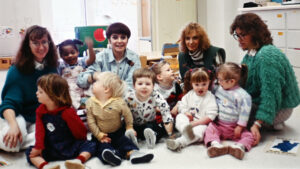
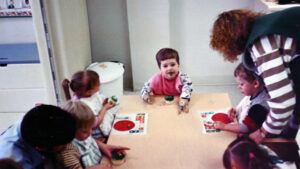
Living without arms and legs presents unique challenges, but it also offers a perspective that enriches my life in unexpected ways. Throughout my life, Easterseals Crossroads has played a crucial role in this journey. From attending summer camps as a kid to home modification assistance as an adult, these supports and resources have helped empower me to live my life to the fullest.
From an early age, my parents wanted to find a place that would help me learn and grow with my disability and that is exactly what they found in Easterseals Crossroads. This organization helped me embrace my disability and helped me with the journey of self-discovery and self-acceptance. Disability Pride Month is a time to honor that journey.
Raising Awareness
One of the most significant aspects of Disability Pride Month is raising awareness about the experiences and challenges faced by people with disabilities. It’s an opportunity to educate others about the barriers we encounter and the need for greater accessibility and inclusivity.
By sharing my story, I hope to shed light on the realities of living with a physical disability and inspire others to advocate for positive change. My power wheelchair, for example, is essential for my mobility, but public spaces often lack the accessibility features I need to navigate comfortably, whether it be parking that is not big enough to accommodate the ramp on my van (or someone parking in the blue striped loading zone), automatic door buttons that do not work or aisles that are too small to maneuver a wheelchair.
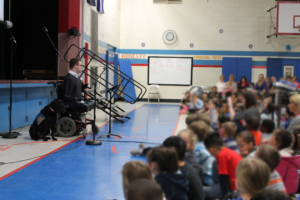
Universal design for all public places is a huge component of accessibility. When this concept is fully embraced in all of our community spaces and buildings, it will be a great source of pride for everyone regardless of ability or disability. Easterseals Crossroads is committed to raising awareness and promoting an understanding of universal design as the standard for which to adhere.
My time at Easterseals Crossroads, as both an individual receiving services and now as a current employee, has given me the necessary tools and platform to be a voice of awareness.
Advocating for Rights
Disability Pride Month is also about advocacy. It’s a time to highlight the importance of disability rights and push for policies that promote equality and inclusion. As someone who relies on a power wheelchair, I understand firsthand the critical need for accessible public spaces, transportation and technology. Living without arms and legs means that I depend on accessible technology and environments to communicate, work and engage with my community.
By celebrating this month, we increase our voices and work towards a society where people with disabilities have equal opportunities to thrive.
I also recognize that we have come a long way as a society thanks to the passing of the Americans with Disabilities Act (ADA) 34 years ago. The groundwork this act laid gives us a great guide to understanding where we were and where we still need to go. Without the passing of the ADA, things like going to the grocery store independently would not be possible. I love grilling out; not being able to go grocery shopping would affect my ability to get the most out of a passion.
As a leader here in Central Indiana, Easterseals Crossroads advocates for the rights of individuals with disabilities, striving to ensure that everyone has access to the resources and opportunities they need to succeed.
Building Community
The sense of community that comes with Disability Pride Month is incredibly empowering. Connecting with others who share similar experiences fosters a sense of belonging and mutual support. It’s a chance to celebrate our achievements, share our struggles and learn from one another. Being part of a resilient community reminds me that I am not alone in my journey. Through my involvement with Easterseals Crossroads, I have met many inspiring individuals who, like me, face daily challenges with courage and determination. Easterseals Crossroads fosters this sense of community, offering programs and services that bring people together and create lasting connections.
Challenging Stereotypes
Disability Pride Month challenges the stereotypes and misconceptions that often surround people with disabilities. It’s a time to showcase our strengths, talents and contributions to society. By celebrating our diverse abilities, we break down the barriers of ignorance and prejudice.
My disability does not define my capabilities or limit my potential; instead, it has shaped my resilience and determination. It has taught me that I can truly accomplish anything I put my mind to – it doesn’t matter if it is as small as learning how to brush my own teeth or as big as learning how to drive a car. My journey of living without arms and legs has taught me to adapt, innovate and thrive in ways that defy conventional expectations.
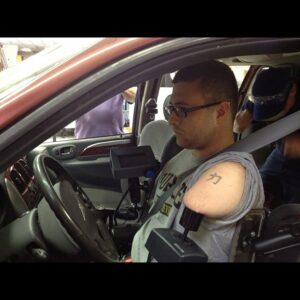
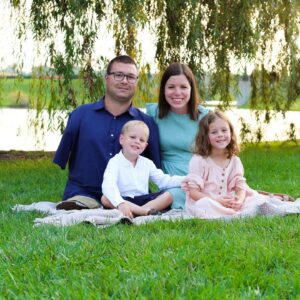
Here at Easterseals Crossroads, we work tirelessly to challenge these stereotypes, promoting a positive and accurate portrayal of individuals with disabilities.
Honoring the Past, Inspiring the Future
Finally, Disability Pride Month is a time to honor the pioneers who fought for disability rights and created a path for future generations. Their courage and perseverance inspire me to continue advocating for a more inclusive world. By celebrating this month, we acknowledge their legacy and commit to carrying forward their vision of equality and justice. Easterseals Crossroads honors this legacy by continuing to advocate for systemic change and supporting individuals with disabilities in achieving their goals.
Disability Pride Month is a powerful reminder of the strength, resilience and beauty of the disability community. For me, it’s a time to celebrate my identity, raise awareness, advocate for rights, build community, challenge stereotypes and honor the past. It’s a month of empowerment and pride, and I am grateful for the opportunity to celebrate it each year.
Through this celebration, we continue to push for a world where everyone, regardless of their abilities, can live with dignity, pride and equality. With the support of organizations like Easterseals Crossroads, we can make this vision a reality, ensuring that everyone has the opportunity to lead a fulfilling and independent life.
Easterseals Crossroads
4740 Kingsway Drive, Indianapolis, IN 46205
P: 317.466.1000 • F: 317.466.2000
Partners:


Follow Us:
Copyright 2026 Easterseals Crossroads | Privacy Policy